Research peptide guides
37 guidesPlain, research-framed explainers for the compounds we stock — what the literature covers, how purity is independently verified, and how research-grade material is handled. Every guide is written strictly for in-vitro / laboratory research reference; nothing here is medical, therapeutic, or human-use advice.
New to the vocabulary? Browse the research-peptide glossary[ Research use only · Not for human consumption ]
[ Melanocortin research ]
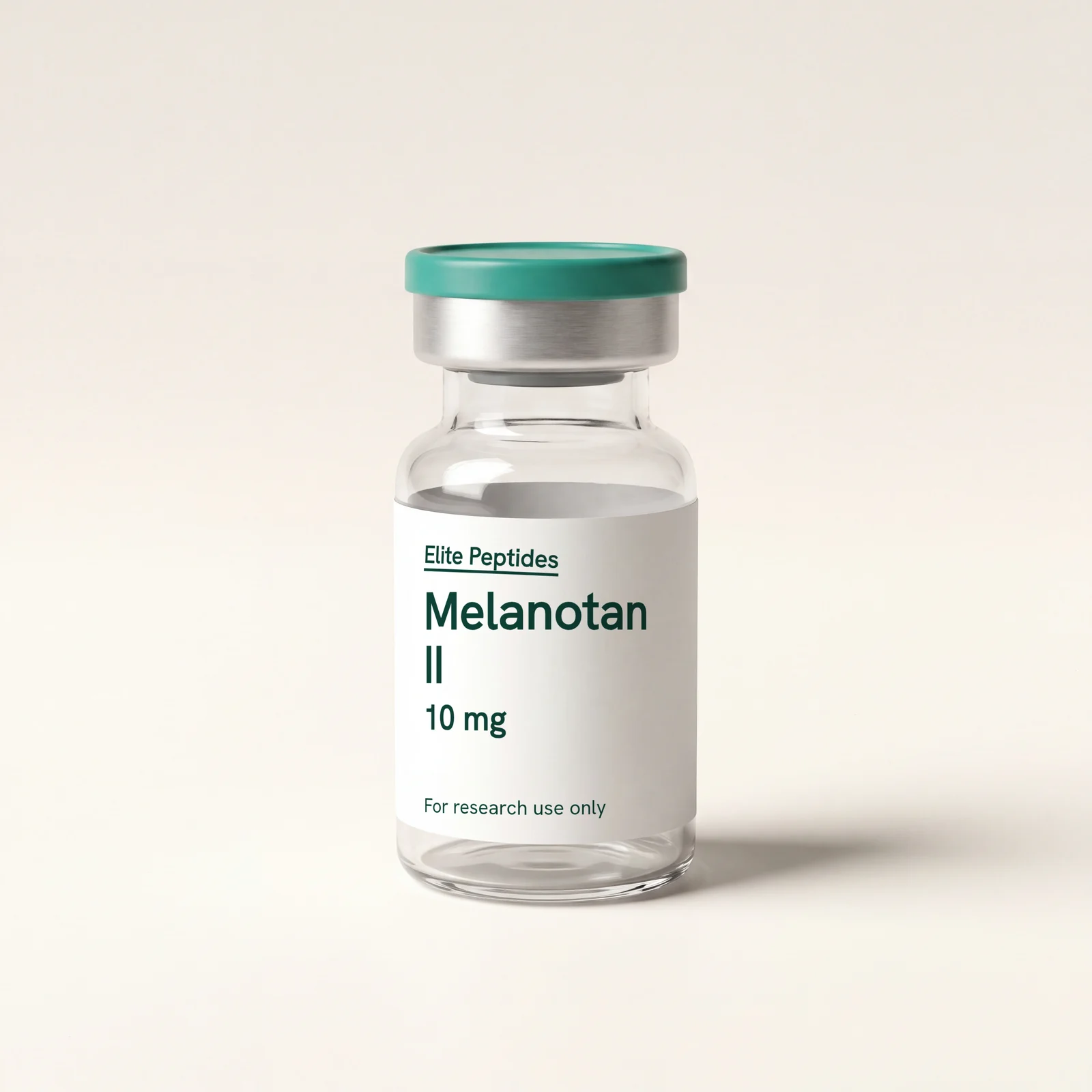
Melanotan 2 in Australia: a melanocortin-receptor research guide
What Melanotan II (MT-2) is, where it sits in melanocortin-receptor (MC1R–MC5R) research, and how research-grade material is verified — framed strictly as a laboratory research reference for Australian researchers.
Read the guide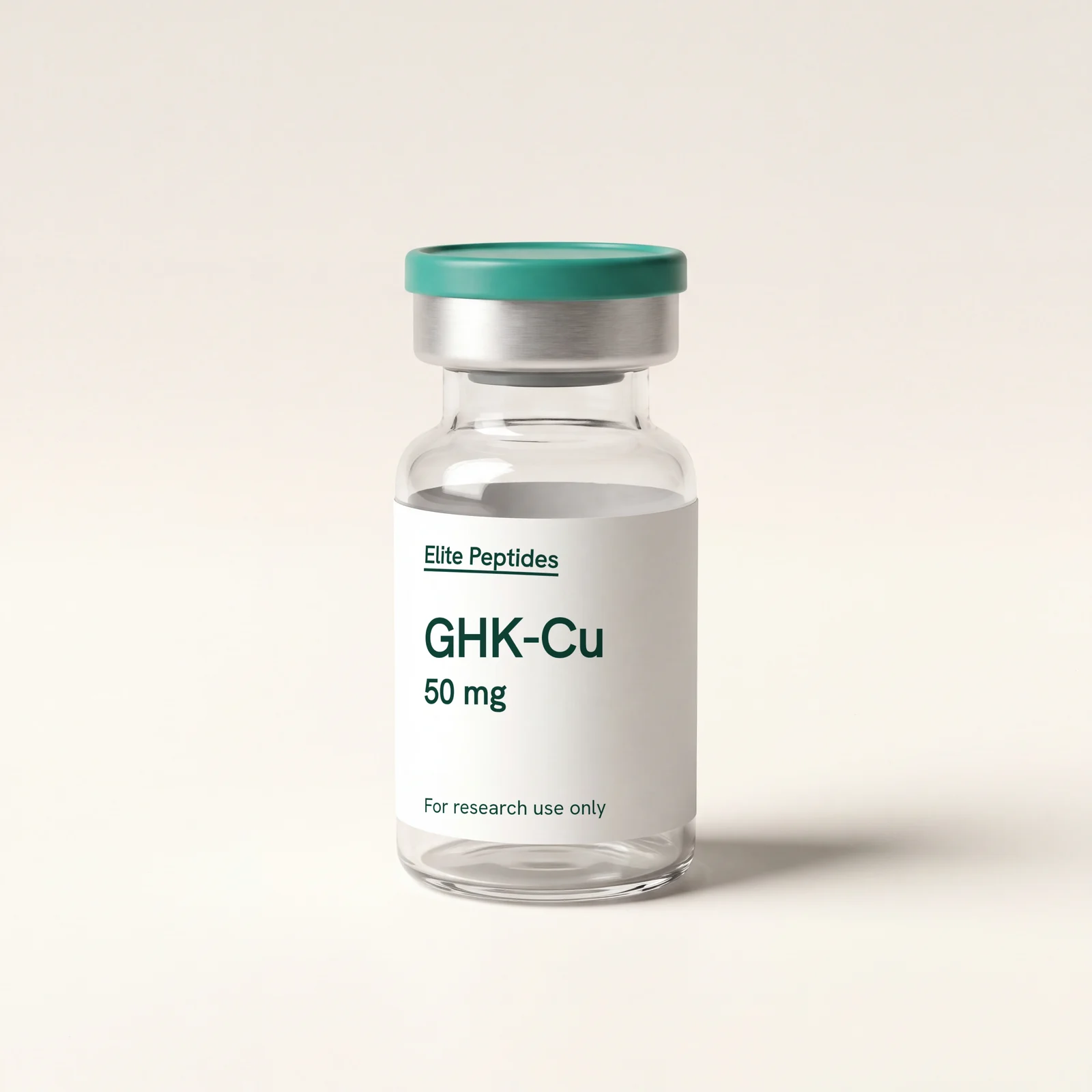
[ Copper-peptide research ]
GHK-Cu in Australia: a copper-peptide research guide
What GHK-Cu is, its place in copper-binding and matrix-remodelling research, why reconstituted solutions run blue, and how research-grade copper peptide is verified — a laboratory research reference for Australian researchers.
Read the guide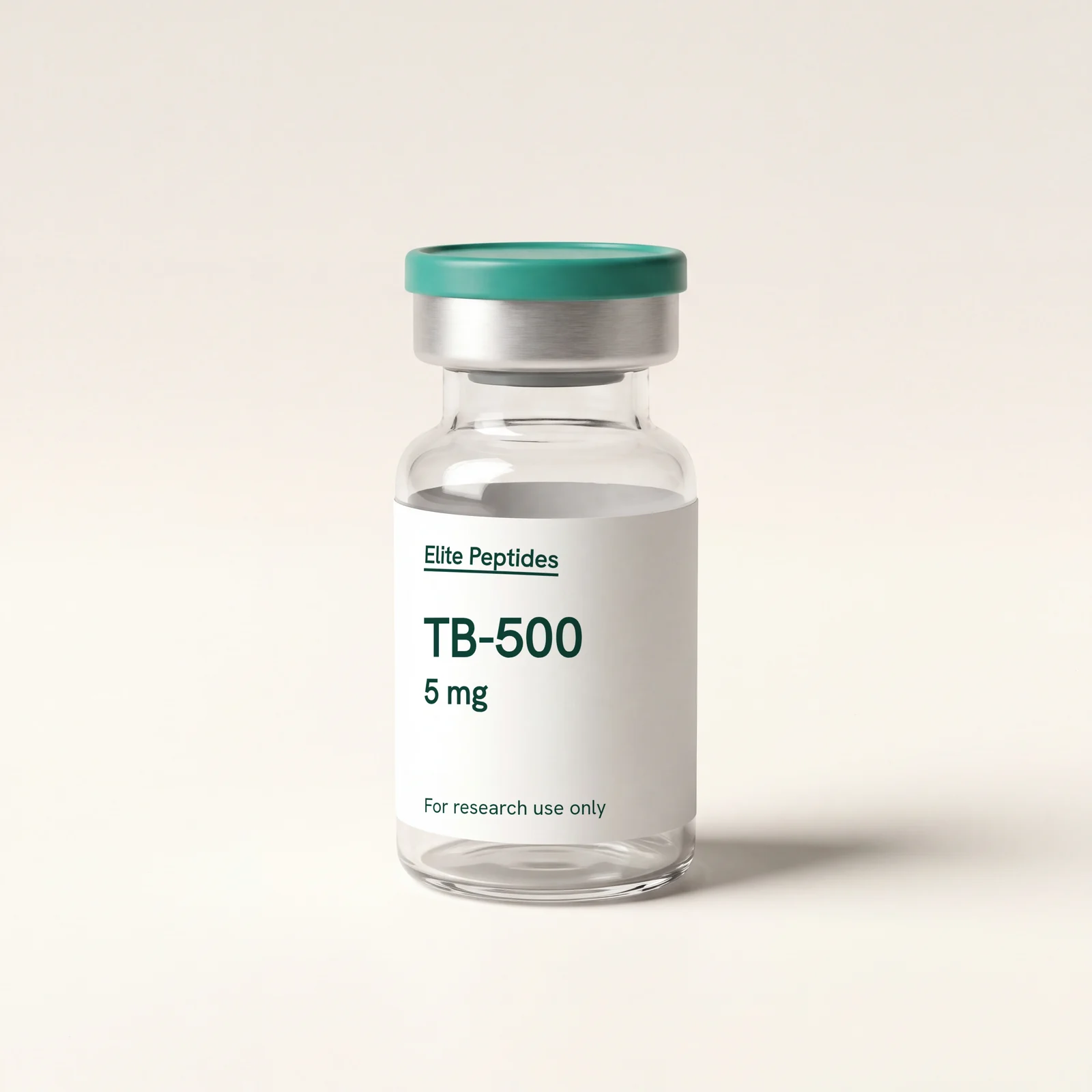
[ Healing & recovery research ]
TB-500 in Australia: a thymosin β-4 research guide
What TB-500 actually is — thymosin β-4, the full-length actin-sequestering peptide, not a 17-residue fragment — where it sits in tissue-repair and actin-dynamics research, how it is referenced alongside BPC-157, and how research-grade material is HPLC-verified. A laboratory research reference for Australian researchers.
Read the guide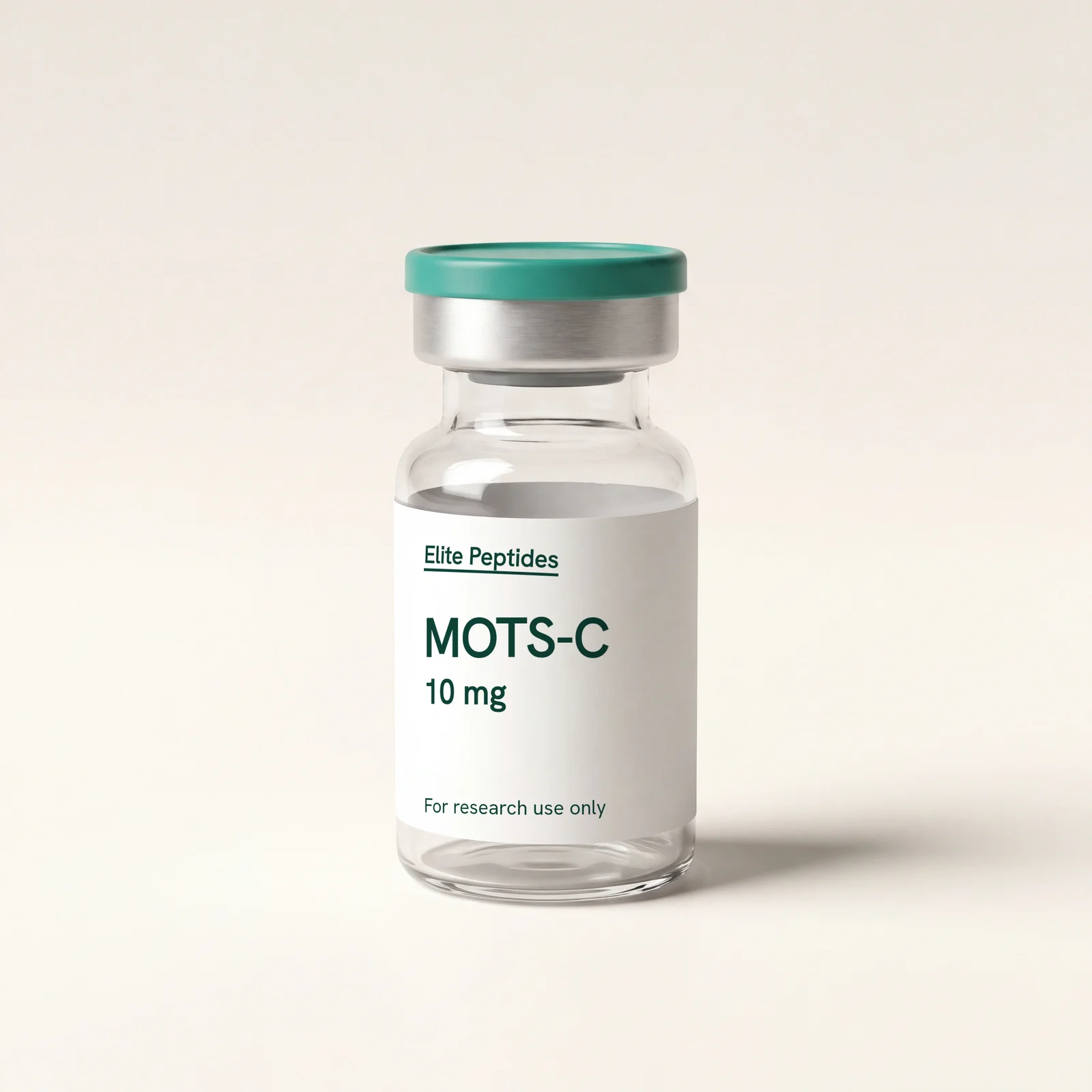
[ Mitochondrial research ]
MOTS-c in Australia: a mitochondrial-derived-peptide research guide
What MOTS-c is — a 16-residue mitochondrial-derived peptide encoded within the mitochondrial 12S rRNA — where it sits in AMPK-pathway and mitochondrial-stress research, how it is referenced alongside NAD+ and SS-31, and how research-grade material is HPLC-verified. A laboratory research reference for Australian researchers.
Read the guide
[ Growth-hormone research ]
CJC-1295 in Australia: a GHRH-analogue research guide
What CJC-1295 (no DAC) is — a stabilised 30-residue GHRH analogue, also catalogued as Mod GRF (1-29) — the difference between the DAC and no-DAC forms, where it sits in growth-hormone-secretagogue research, and how research-grade material is HPLC-verified. A laboratory research reference for Australian researchers.
Read the guide
[ Growth-hormone research ]
CJC-1295 + Ipamorelin: a GHRH + GHRP research-stack guide
Why CJC-1295 (no DAC) and Ipamorelin are the canonical GHRH + GHRP research pairing, what each component does at the receptor level, why they are co-lyophilised in a single vial, and how research-grade material is HPLC-verified. A laboratory research reference for Australian researchers.
Read the guide
[ Melanocortin research ]
PT-141 in Australia: a melanocortin-receptor (MC4R) research guide
What PT-141 (bremelanotide) is, where it sits in melanocortin-receptor research — a cyclic α-MSH analogue with MC4R the principal receptor of interest — how it relates structurally to Melanotan II, and how research-grade material is HPLC-verified. A laboratory research reference for Australian researchers.
Read the guide
[ GLP-1 / incretin research ]
GLP-1 research peptides explained: the incretin science and the compounds
A plain, research-framed explainer of the incretin system — the GLP-1, GIP and glucagon receptors — the approved medicines (Mounjaro, Ozempic, semaglutide, tirzepatide) the published literature is built on, and the research peptides Elite AU Peptides supplies for laboratory use. Cite-don't-endorse; research use only.
Read the guide[ GLP-1 / incretin research ]
Retatrutide vs tirzepatide: what the published research shows
A research-reference comparison of two multi-agonist compounds — retatrutide, studied as a triple GIP/GLP-1/glucagon agonist, and tirzepatide, an approved dual GIP/GLP-1 agonist. Receptor mechanism and published trials only; no substitute claim, research use only.
Read the guide[ GLP-1 / incretin research ]
Semaglutide vs retatrutide: what the published research shows
A research-reference comparison of semaglutide — an approved single-receptor GLP-1 agonist — and retatrutide, studied as a triple GIP/GLP-1/glucagon agonist. Receptor mechanism and published trials only; no substitute claim, research use only.
Read the guide[ GLP-1 / incretin research ]
Mounjaro vs Ozempic: what the research actually shows
A factual, cite-don't-endorse explainer of the two approved medicines behind the mega-demand — Mounjaro (tirzepatide), a dual GIP/GLP-1 agonist, and Ozempic (semaglutide), a single-receptor GLP-1 agonist — and how they relate to the research peptides Elite AU Peptides supplies for laboratory use. Research use only.
Read the guide
[ Research peptides 101 ]
Research peptides in Australia: what they are and how to source them
A plain-English pillar guide to research peptides in Australia — what they are, what “research use only” means, how purity is independently verified, and what to look for when sourcing research-grade material. The foundation the rest of the guide library builds on.
Read the guide[ Compliance & the TGA ]
Are peptides legal in Australia? The TGA framing, explained
A factual explainer of how peptides sit within Australian regulation — what the TGA regulates, what “research use only” means in that context, and why research-grade peptides are supplied for laboratory use, not human use. General information, not legal or medical advice.
Read the guide
[ Neuromodulation research ]
DSIP in Australia: a delta-sleep-inducing-peptide research guide
What DSIP (delta sleep-inducing peptide) is — an amphiphilic nonapeptide referenced across slow-wave-EEG and neuromodulation research — where it sits in the literature, and how research-grade material is HPLC-verified. A laboratory research reference for Australian researchers.
Read the guide
[ Metabolic-pathway research ]
AOD-9604 in Australia: a growth-hormone-fragment research guide
What AOD-9604 is — a synthetic fragment of the C-terminal domain of human growth hormone — where it sits in lipid-metabolism-pathway research, and how research-grade material is HPLC-verified. Receptor/pathway framing only; a laboratory research reference for Australian researchers.
Read the guide
[ Longevity research ]
Epithalon in Australia: a telomere-biology research guide
What Epithalon (Epitalon) is — the Ala-Glu-Asp-Gly pineal tetrapeptide referenced across telomere-biology and cellular-ageing research — where it sits in the literature, and how research-grade material is HPLC-verified. A laboratory research reference for Australian researchers.
Read the guide
[ Healing & recovery research ]
BPC-157 in Australia: a soft-tissue research guide
What BPC-157 is — the 15-residue pentadecapeptide that is the category benchmark across tendon, ligament, gastric-tissue and angiogenesis research — how it is referenced alongside TB-500, and how research-grade material is HPLC-verified. A laboratory research reference for Australian researchers.
Read the guide
[ Healing & recovery research ]
BPC-157 + TB-500: the “Wolverine stack” research guide
Why BPC-157 and TB-500 (thymosin β-4) are the canonical soft-tissue research pairing — the named “Wolverine stack” — what each component does in the literature, why they are co-lyophilised, and how research-grade material is HPLC-verified. A laboratory research reference for Australian researchers.
Read the guide
[ Trust & verification ]
How to read a peptide certificate of analysis (COA)
The certificate of analysis (COA) is the single most important document in research-peptide sourcing. This guide explains how to read one line by line — the lab, the HPLC purity figure, the batch identifier, and how to independently verify it — so you can tell verified purity from a marketing claim.
Read the guide
[ Growth-hormone research ]
Growth-hormone research peptides in Australia: GHRH analogues and GHRPs
A pillar guide to the growth-hormone-secretagogue research space — what GHRH analogues and GHRPs are, how the two receptor classes differ, why they are studied in combination, and how research-grade material is HPLC-verified. Receptor-research framing only; a laboratory reference for Australian researchers.
Read the guide[ Longevity research ]
NAD+ in Australia: a cellular-cofactor research guide
What NAD+ is — the cellular cofactor referenced across sirtuin-pathway, mitochondrial and cellular-ageing research — where it sits in the literature, why it comes in 100mg and 500mg vials, and how research-grade material is HPLC-verified. A laboratory research reference for Australian researchers.
Read the guide[ Mitochondrial research ]
SS-31 in Australia: a mitochondrial-targeting research guide
What SS-31 (elamipretide) is — a synthetic mitochondrial-targeting tetrapeptide that binds cardiolipin on the inner mitochondrial membrane — where it sits in the research literature, and how research-grade material is HPLC-verified. A laboratory research reference for Australian researchers.
Read the guide
[ Nootropic research ]
Semax in Australia: a pro-cognitive nootropic research guide
What Semax is — a stabilised ACTH(4-10) analogue referenced across BDNF and neurotrophic research — how it pairs with Selank, and how research-grade material is HPLC-verified. A laboratory research reference for Australian researchers.
Read the guide
[ Nootropic research ]
Selank in Australia: an anxiolytic nootropic research guide
What Selank is — a stabilised tuftsin analogue referenced across anxiolytic and GABAergic-modulation research — how it pairs with Semax, and how research-grade material is HPLC-verified. A laboratory research reference for Australian researchers.
Read the guide
[ Healing & recovery research ]
KPV in Australia: an anti-inflammatory-pathway research guide
What KPV is — the α-MSH-derived tripeptide referenced across gastrointestinal and anti-inflammatory-pathway research — how it enters cells via the PepT1 transporter, and how research-grade material is HPLC-verified. A laboratory research reference for Australian researchers.
Read the guide[ GLP-1 / incretin research ]
Retatrutide in Australia: a triple-agonist research guide
What retatrutide is — a synthetic peptide studied in published research as a single-peptide triple agonist of the GLP-1, GIP and glucagon receptors — where it sits in the incretin-pharmacology literature, and how research-grade material is HPLC-verified. Receptor-research framing only; research use only.
Read the guide
[ GLP-1 / incretin research ]
Tesamorelin in Australia: a GHRH-analogue research guide
What tesamorelin is — a stabilised analogue of growth-hormone-releasing hormone (GHRH) referenced across growth-hormone-axis research — where it sits in the literature, and how research-grade material is HPLC-verified. Receptor-research framing only; research use only.
Read the guide[ Growth-hormone research ]
Ipamorelin in Australia: a selective-GHRP research guide
What Ipamorelin is — the selective ghrelin / GHS-R1a-receptor agonist referenced as the cleanest standalone GHRP — how it pairs with CJC-1295, and how research-grade material is HPLC-verified. Receptor-research framing only; a laboratory reference for Australian researchers.
Read the guide[ Healing & recovery research ]
BPC-157 vs TB-500: what the soft-tissue research shows
A research-reference comparison of the two canonical soft-tissue peptides — BPC-157, referenced around growth-factor / nitric-oxide signalling, and TB-500 (thymosin β-4), referenced around actin dynamics — how they differ, and why they are studied together. Research use only.
Read the guide[ Nootropic research ]
Semax vs Selank: what the nootropic research shows
A research-reference comparison of the canonical nootropic pair — Semax, referenced around BDNF / neurotrophic research, and Selank, referenced around GABAergic modulation — how they differ, and why they are studied together. Research use only.
Read the guide[ Mitochondrial research ]
MOTS-c vs NAD+: two different mitochondrial-research tools
A research-reference comparison of two longevity-strand compounds — MOTS-c, a genome-encoded mitochondrial-derived peptide studied around AMPK signalling, and NAD+, a cellular cofactor studied around sirtuin-pathway research — how they differ. Research use only.
Read the guide[ GLP-1 / incretin research ]
Retatrutide vs tesamorelin: two different metabolic-research targets
A research-reference comparison of two GLP-class compounds we supply — retatrutide, studied as a triple GLP-1 / GIP / glucagon agonist, and tesamorelin, a GHRH-analogue — how their receptor targets differ. Receptor-research framing only; research use only.
Read the guide[ Copper-peptide research ]
GHK-Cu vs collagen peptides: two completely different things
A disambiguation guide: GHK-Cu is a copper-binding tripeptide research compound for laboratory study, while “collagen peptides” are ingestible consumer supplements. They share the word “peptide” and nothing else — here is why they are not interchangeable. Research use only.
Read the guide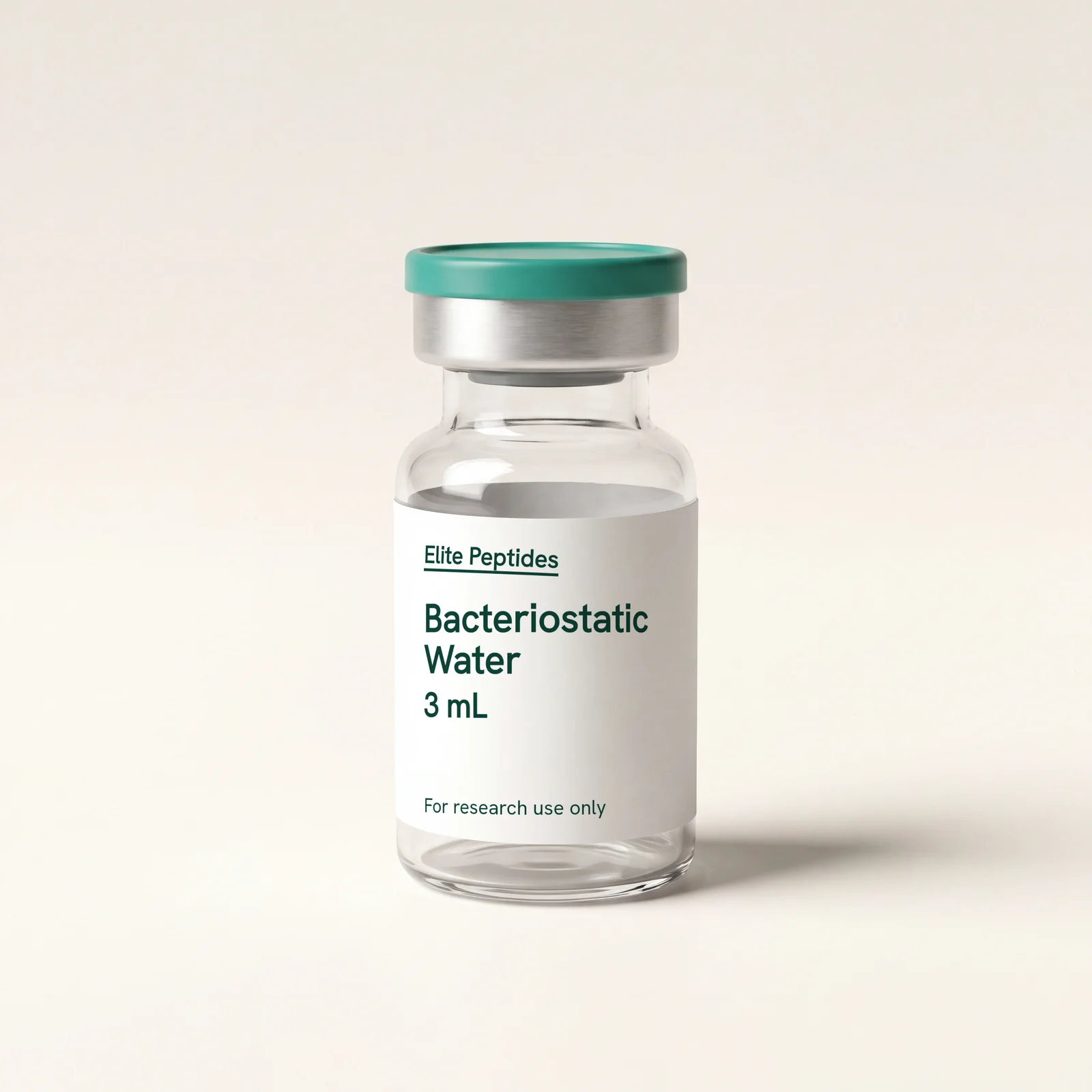
[ Research methodology ]
How to reconstitute research peptides: method + calculator
How to reconstitute a lyophilised research peptide with bacteriostatic water — the method, the concentration math, and an interactive calculator that reads off the working-stock concentration. A laboratory research reference for Australian researchers.
Read the guide[ Shipping & logistics ]
Peptide shipping in Australia: AU-domestic dispatch, state by state
How research-peptide shipping works in Australia — AU-domestic dispatch with no inbound customs handling, same-day dispatch before the 12pm AEST cutoff, free shipping over $100, and delivery to every state and major city. A logistics reference for Australian researchers.
Read the guide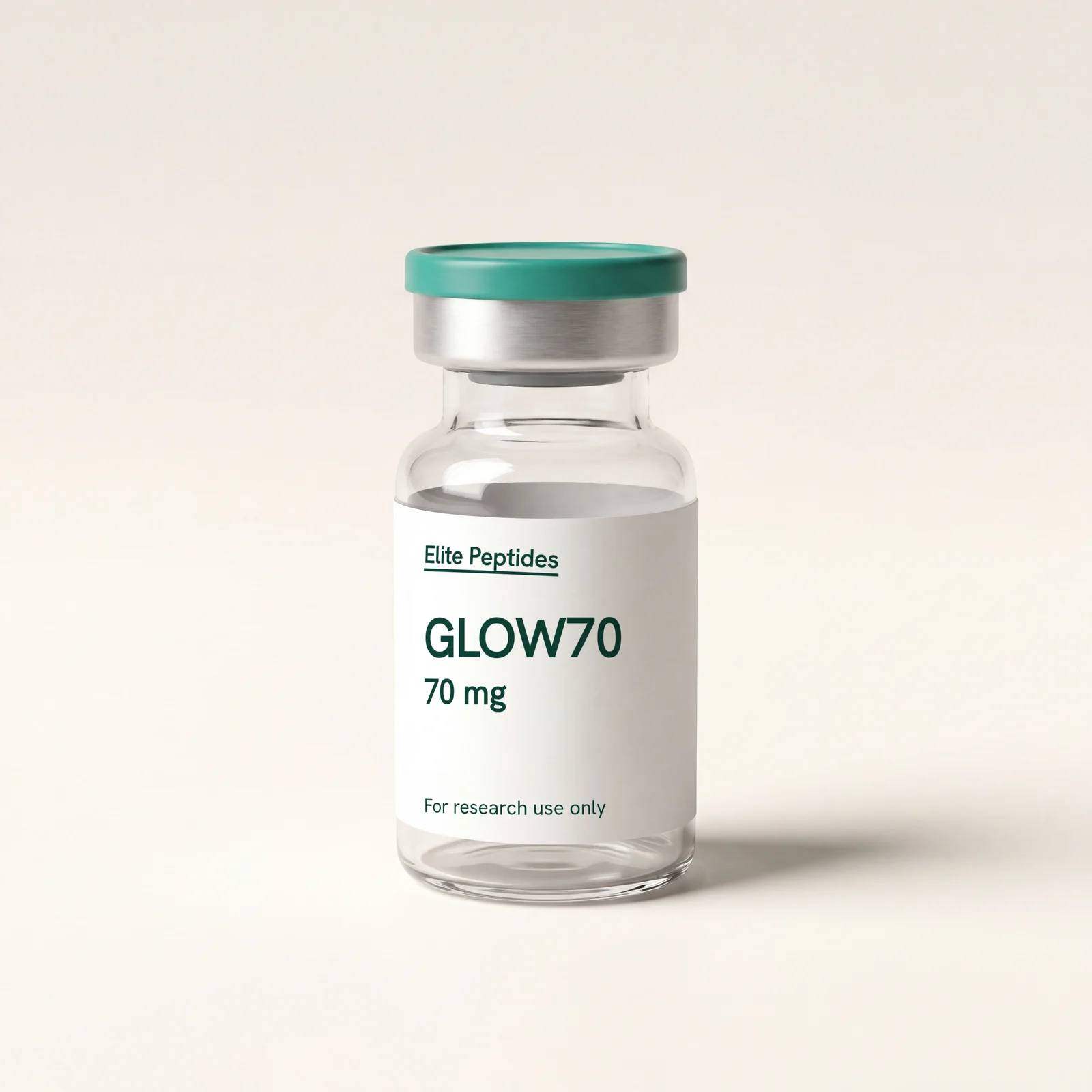
[ Healing & recovery research ]
GLOW70 in Australia: a three-peptide healing-blend research guide
What GLOW70 is — a co-lyophilised research blend of BPC-157, GHK-Cu and TB-500 — what each component brings, why they are combined in one vial, and how the per-component content is HPLC-verified. A laboratory research reference for Australian researchers.
Read the guide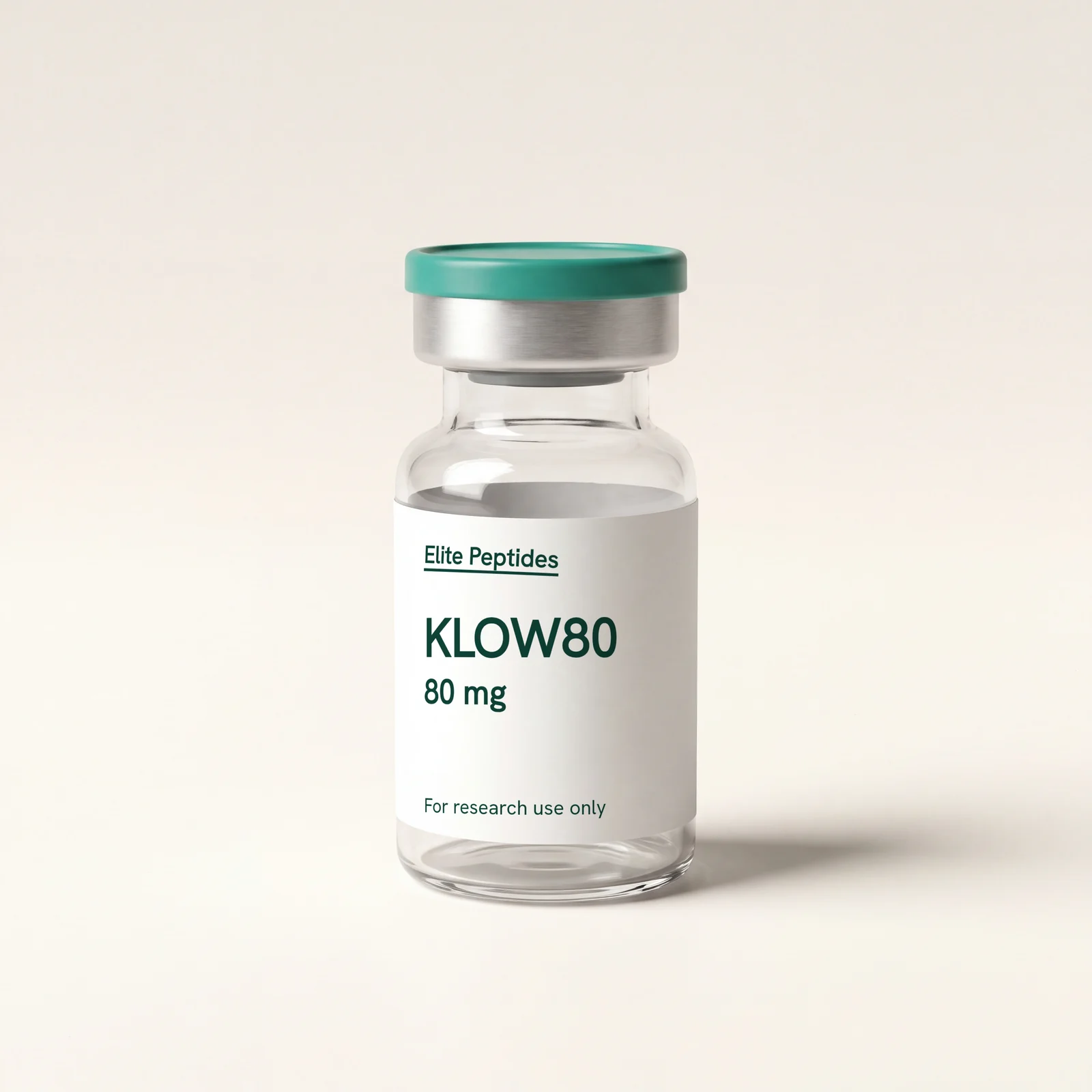
[ Healing & recovery research ]
KLOW80 in Australia: a four-peptide healing-blend research guide
What KLOW80 is — a co-lyophilised research blend of BPC-157, GHK-Cu, TB-500 and KPV that extends the GLOW-family trio with an anti-inflammatory tripeptide — what each component brings, and how per-component content is HPLC-verified. A laboratory research reference for Australian researchers.
Read the guide