The KLOW80 blend was exactly as described, four peptides in the one vial with the composition listed on the label and the site. Arrived in three days to Adelaide. Emailed about reconstitution volumes for lab prep and got a helpful reply the same day without any fuss.

- HPLC tested
- 99%+ purity
- COA on file · Janoshik
Free shipping over $100 · same-day dispatch before 12pm AEST · Australia only.
Supplied strictly for in-vitro / laboratory research use only. Not for human or animal consumption. You confirm you are 18+ and purchasing for research purposes.
Product details
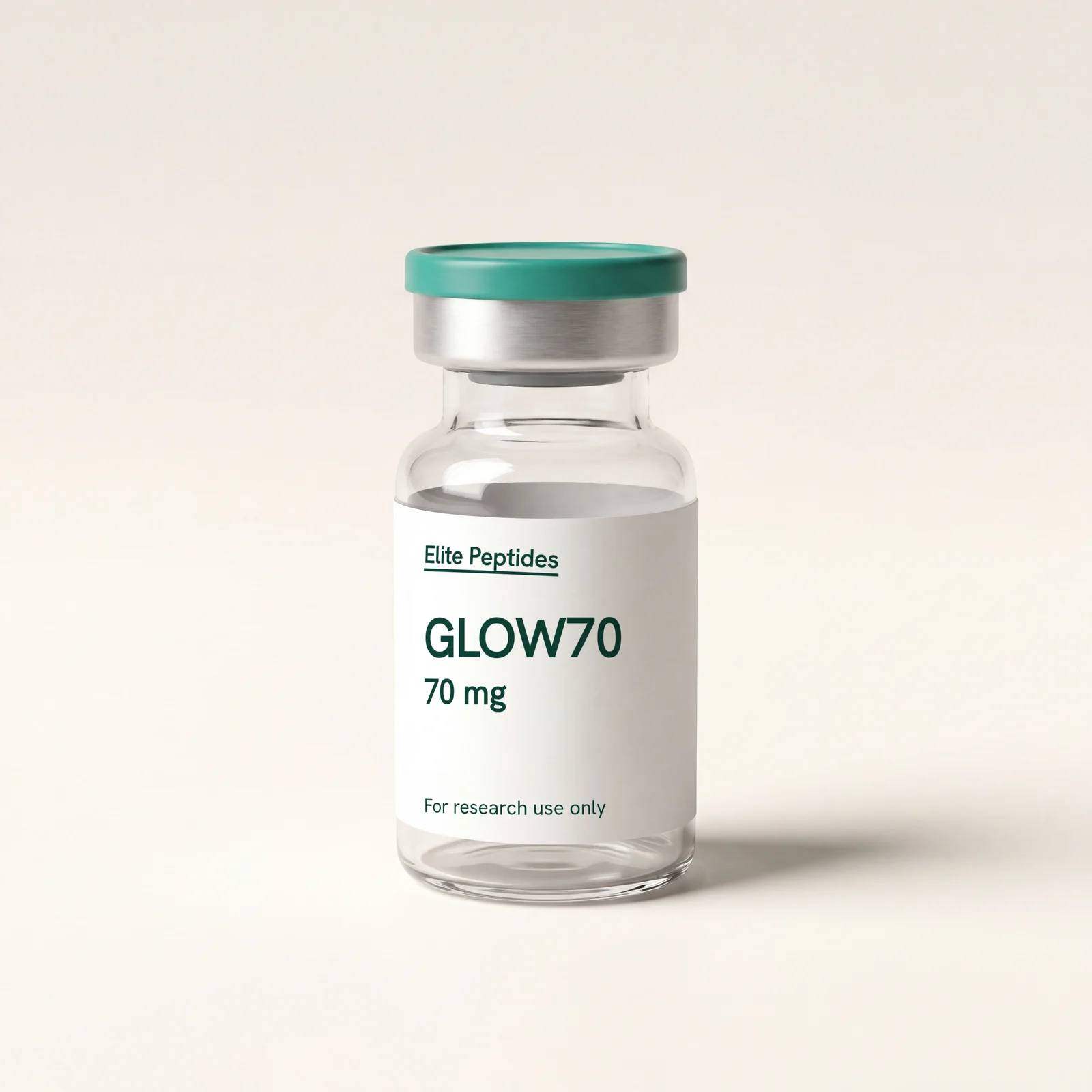
KLOW80 Australia. KLOW80 is GLOW70 with inflammation added. It reports everything GLOW70 does: more collagen and elastin, firmer and more elastic skin, wounds that close faster and scar less, and quicker tendon and soft tissue repair. On top of that, the KPV component adds a more intact intestinal lining in gut models, lower inflammatory cytokine levels, and improvement in inflammatory skin conditions. The rationale for the four way version is that inflammation is what stalls repair, so it is targeted alongside the repair pathways rather than after them.
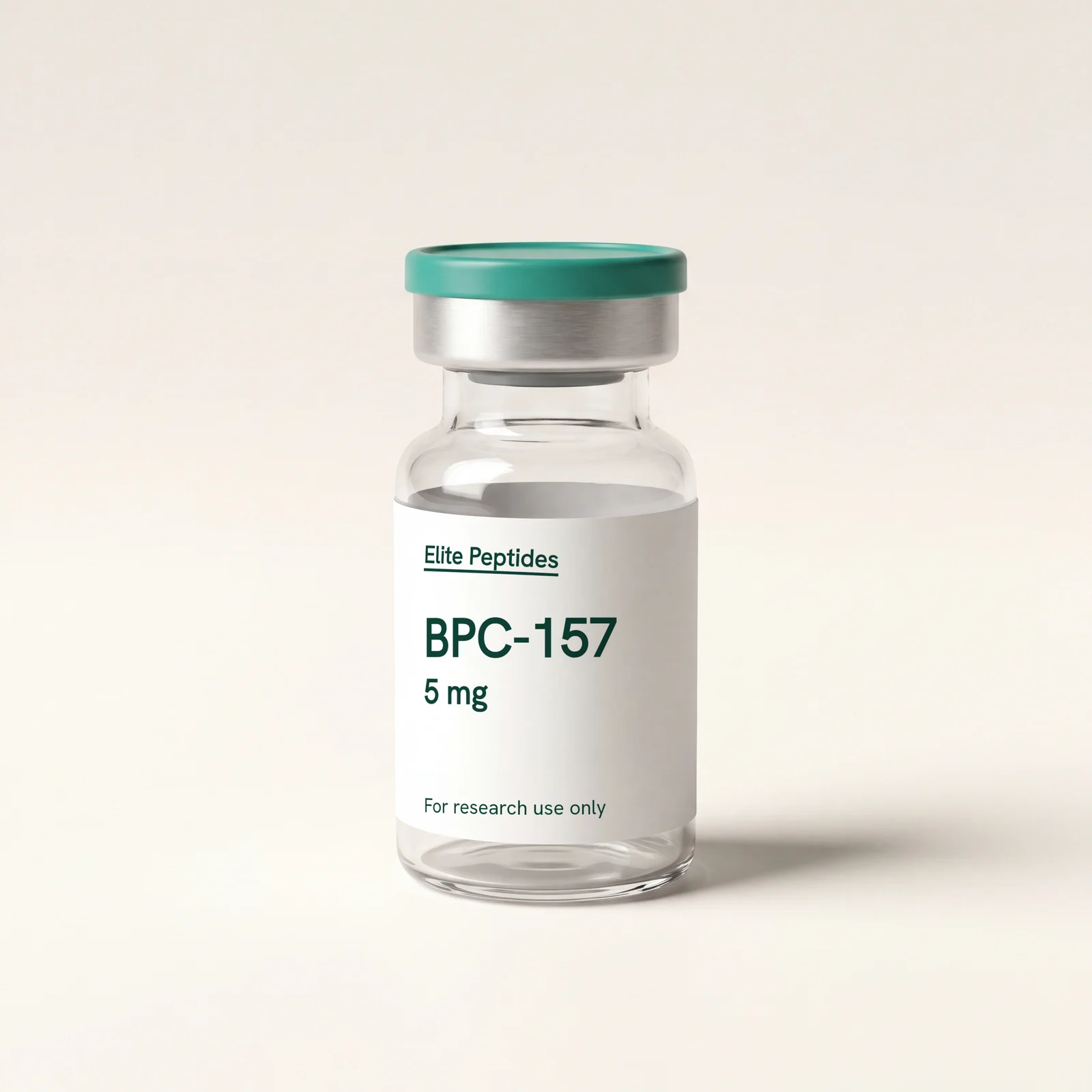
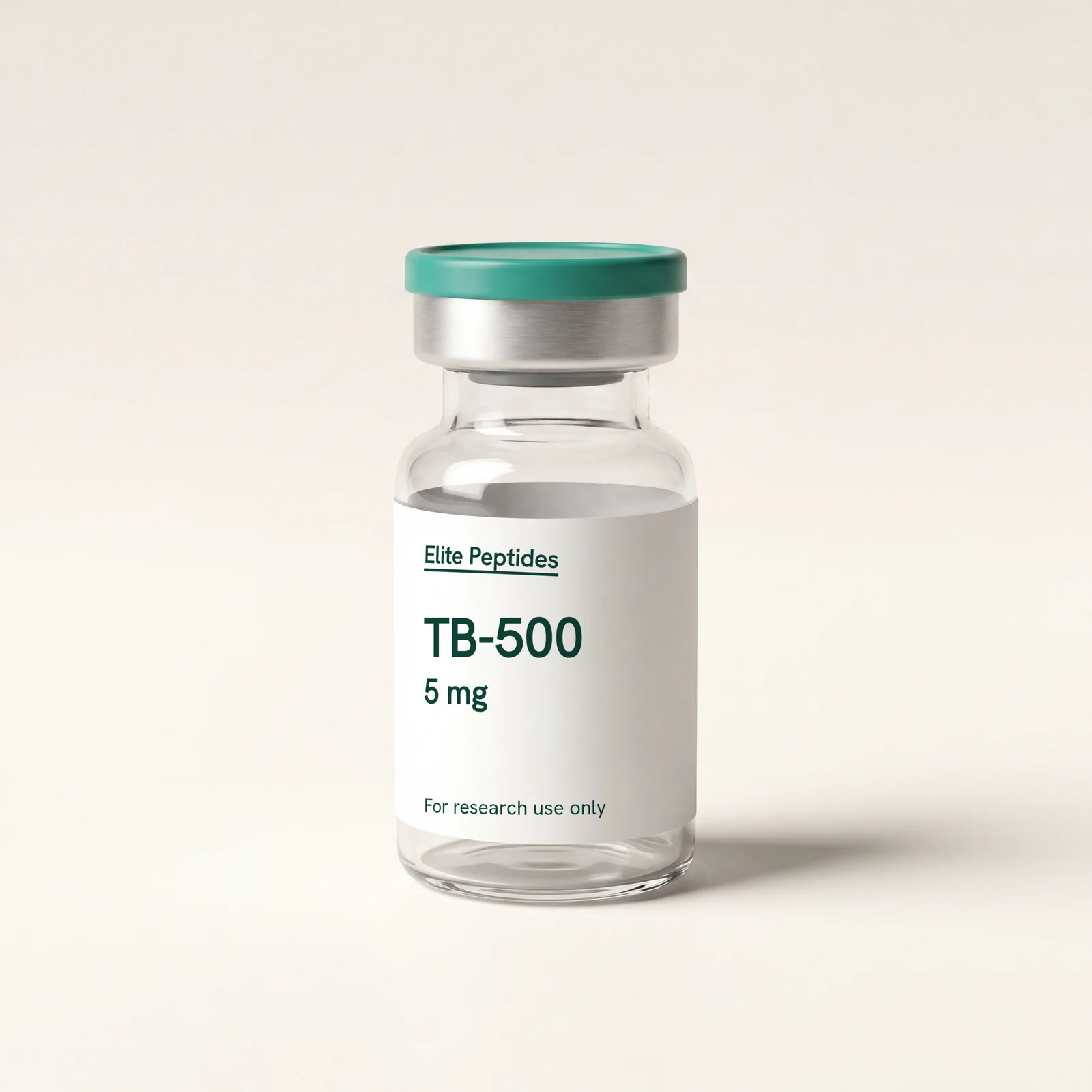
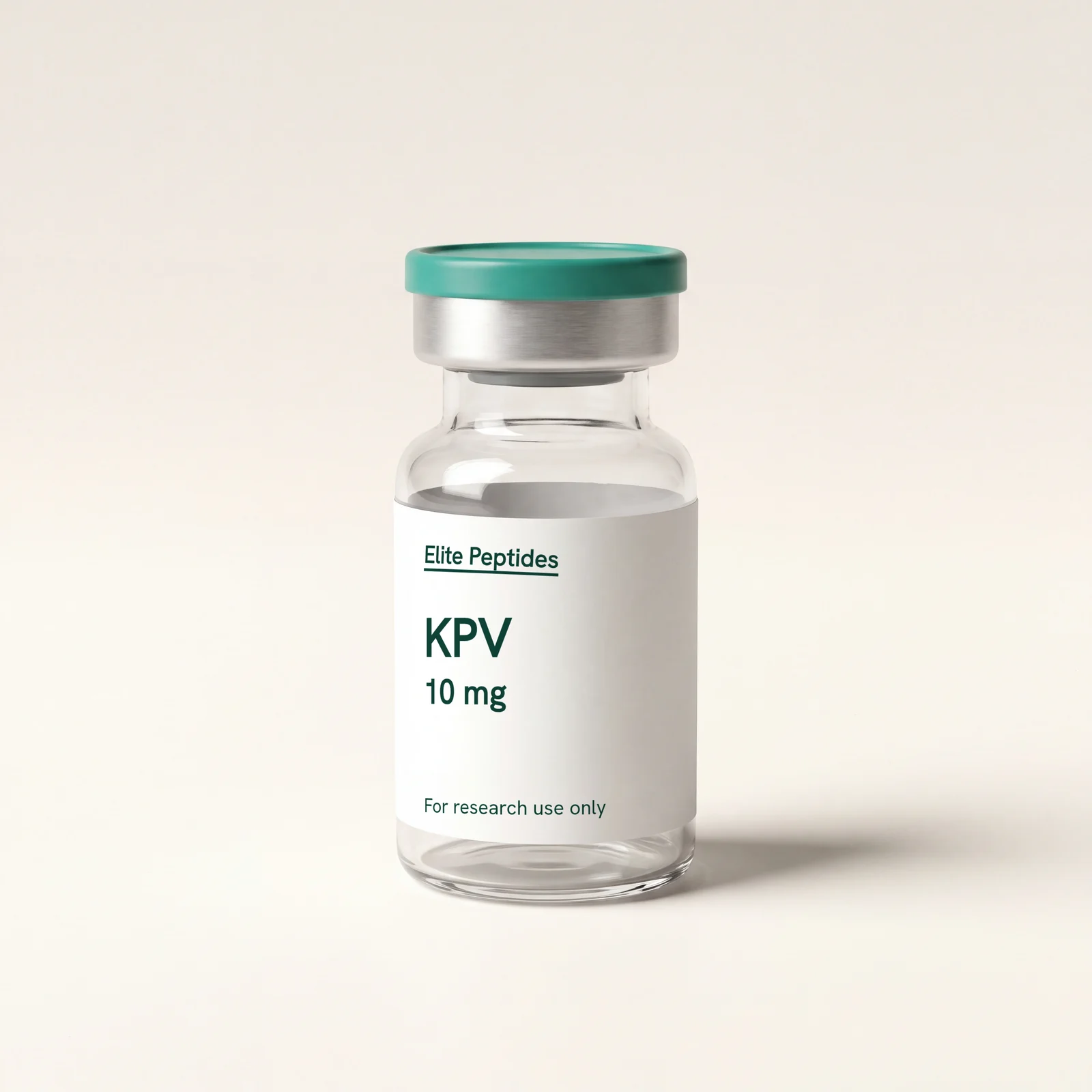
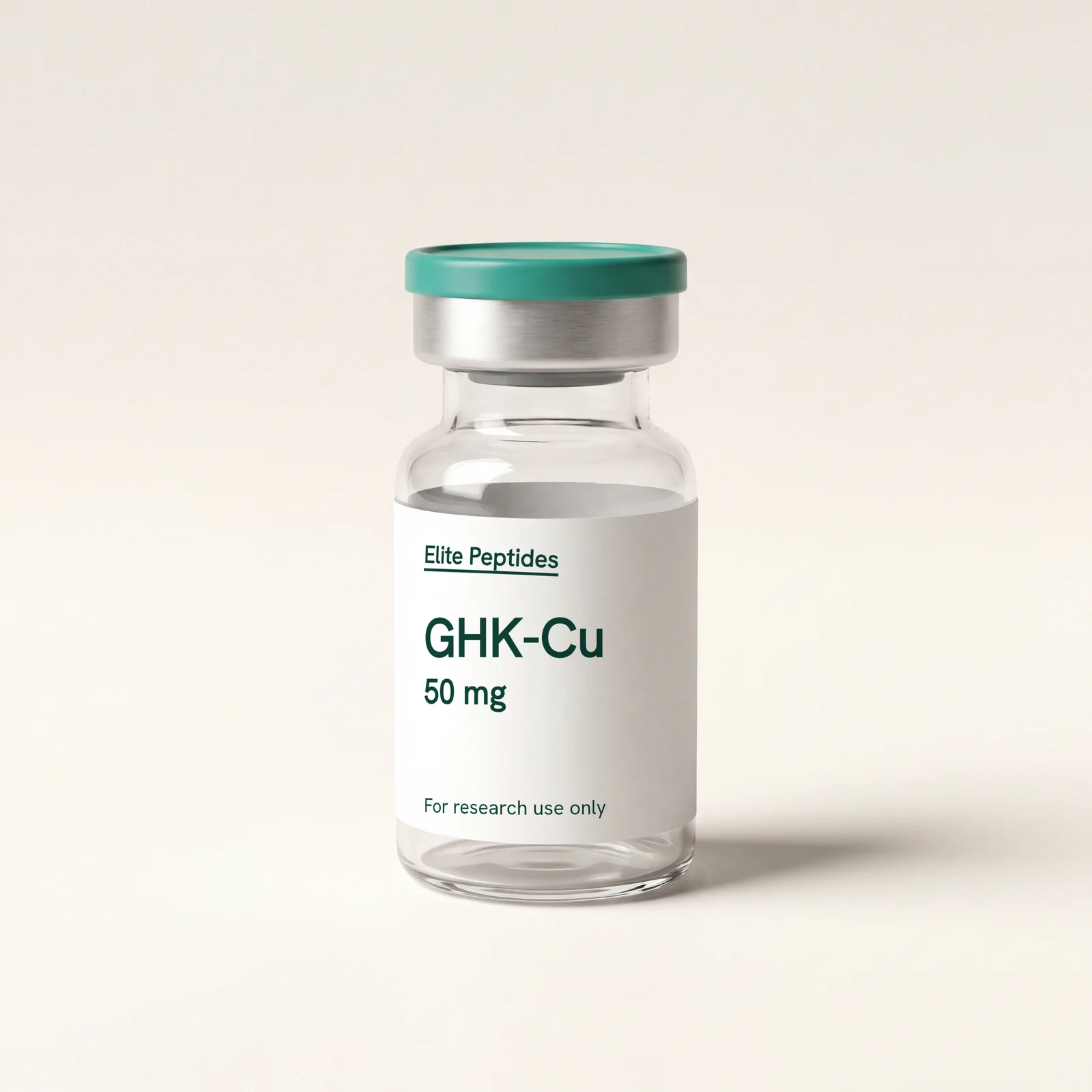
How it does it. Four peptides freeze-dried together. BPC-157 switches on the growth factor and blood vessel signals that supply a repair site. TB-500 controls the actin scaffolding cells rearrange in order to move. GHK-Cu carries copper into cells and switches on genes tied to skin and connective tissue. KPV, a three amino acid fragment of α-MSH, damps NF-κB, the switch that starts an inflammatory response. The fourth works on a different axis to the other three.
The vial. Every component is independently HPLC-content-tested by Janoshik before the batch is listed, and the certificate reports each peptide separately rather than as one combined figure. Supplied as a single 80 mg class vial holding BPC-157 10 mg, GHK-Cu 50 mg, TB-500 10 mg and KPV 10 mg, dispatched from Australia, AUD pricing. Reconstituted KLOW80 turns blue, which is the copper in the GHK-Cu and is expected. Supplied strictly for in-vitro and laboratory research use only. Not for human or animal consumption, not a therapeutic good, not TGA-approved.
Buying KLOW80 in Australia. The 80 in the name is the total peptide mass in the vial, which is where klow sits relative to the 70 mg GLOW70: same BPC-157, GHK-Cu and TB-500 masses, plus 10 mg of KPV. One vial is one reconstitution rather than four, and one certificate covers all four peptides. Held in Australia and dispatched domestically, so there is no international leg and no customs step: AUD pricing, free shipping over $100, and same day dispatch on orders placed before 12pm AEST.
Also known as klow. KLOW is the short form of KLOW80, and the vial is listed variously as klow peptide and klow blend. It is the four-peptide extension of the Wolverine stack, adding GHK-Cu and KPV to the BPC-157 and TB-500 pairing, co-lyophilised into a single vial.
- Form
- Lyophilised powder
- Composition
- BPC-157 10mg · GHK-Cu 50mg · TB-500 10mg · KPV 10mg
- Purity
- ≥ 99% (HPLC)
- Testing
- Janoshik — independent HPLC
- Storage
- Lyophilised −20°C; reconstituted 2–8°C
- Origin
- Dispatched AU-domestic, Australia-wide
- Use
- In-vitro / laboratory research only
KLOW80 is a formulation rather than a single chemical entity, so it has no single CAS number or molecular weight — each of its four peptides carries its own identity and sits in a distinct research literature. The blend co-presents two soft-tissue-repair peptides with a copper-peptide and an anti-inflammatory tripeptide in one vial.
BPC-157 (a synthetic pentadecapeptide) and TB-500 (the research-peptide name for thymosin β-4, the 43-residue G-actin-sequestering peptide) are both referenced across the soft-tissue-repair, wound-healing and angiogenesis research strand — reviewed for BPC-157 by Seiwerth and colleagues (Frontiers in Pharmacology, 2021) and for thymosin-β4 by Goldstein and colleagues (Expert Opinion on Biological Therapy, 2012). GHK-Cu (the copper(II)-complexed tripeptide glycyl-L-histidyl-L-lysine) sits in the copper-peptide / dermal-remodelling research strand, reviewed by Pickart and Margolina (BioMed Research International, 2015).
KPV (Lys-Pro-Val, the C-terminal tripeptide of α-MSH) sits in the melanocortin-derived anti-inflammatory research strand — studied, for example, by Kannengiesser and colleagues in murine models (Inflammatory Bowel Disease, 2008). The research rationale for the blend is to combine these four distinct pathway strands in a single reconstitution; GHK-Cu is the copper-chelate component and gives the reconstituted solution its characteristic blue tint.
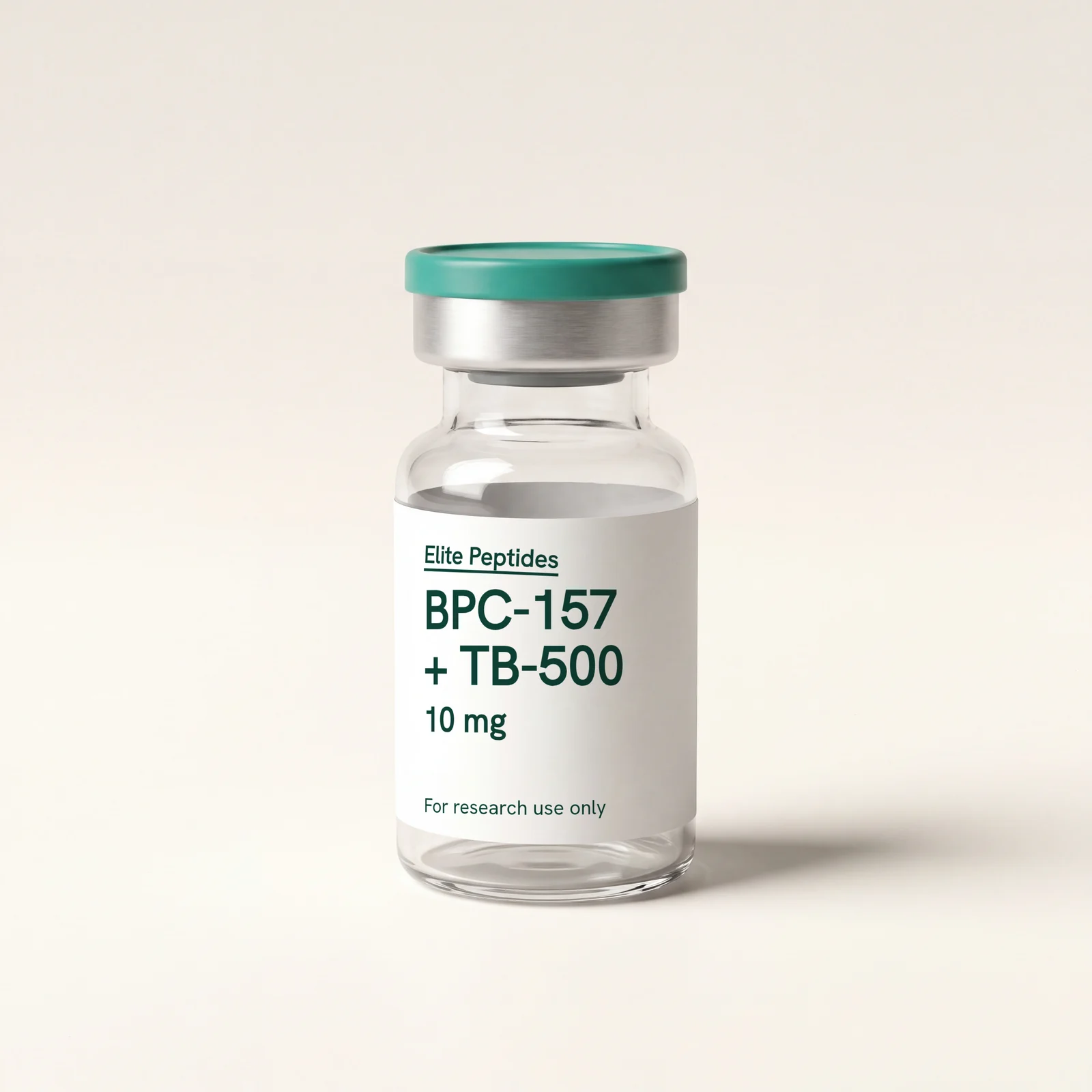
The naming, and how it maps onto the literature. The BPC-157 and TB-500 pairing is the one the soft-tissue research literature is usually read through, and it is the pairing the community calls the Wolverine stack; it is stocked here as its own two-peptide vial. GLOW70 adds GHK-Cu to that pairing, and KLOW80 adds KPV on top of GLOW70 — the melanocortin-derived tripeptide is what distinguishes the four-peptide vial from the three. Klow, klow peptide and klow blend all refer to this same co-lyophilised vial; the composition on the certificate is the definition, not the name.
Because each of the four peptides is independently HPLC-content-tested, the blend’s certificate reports the measured content of every component rather than a single combined figure — the same research-honest standard applied to the GLOW-family blends. That matters more for a blend than for a single compound: a combined percentage could not tell you whether the KPV content or the GHK-Cu content is the one carrying the figure. Researchers working with multi-component vials typically record the per-component concentration achieved at reconstitution so that each pathway strand (soft-tissue repair, copper-peptide, and anti-inflammatory tripeptide) can be referenced independently within a protocol.
The information provided here is a research-reference summary only. Elite AU Peptides makes no medical, therapeutic, or human-use claim about this product or any of its components. KLOW80 is not TGA-approved, is not a therapeutic good, and is supplied strictly for in-vitro and laboratory research use only. Researchers should consult the primary peer-reviewed literature for each component’s pathway data.
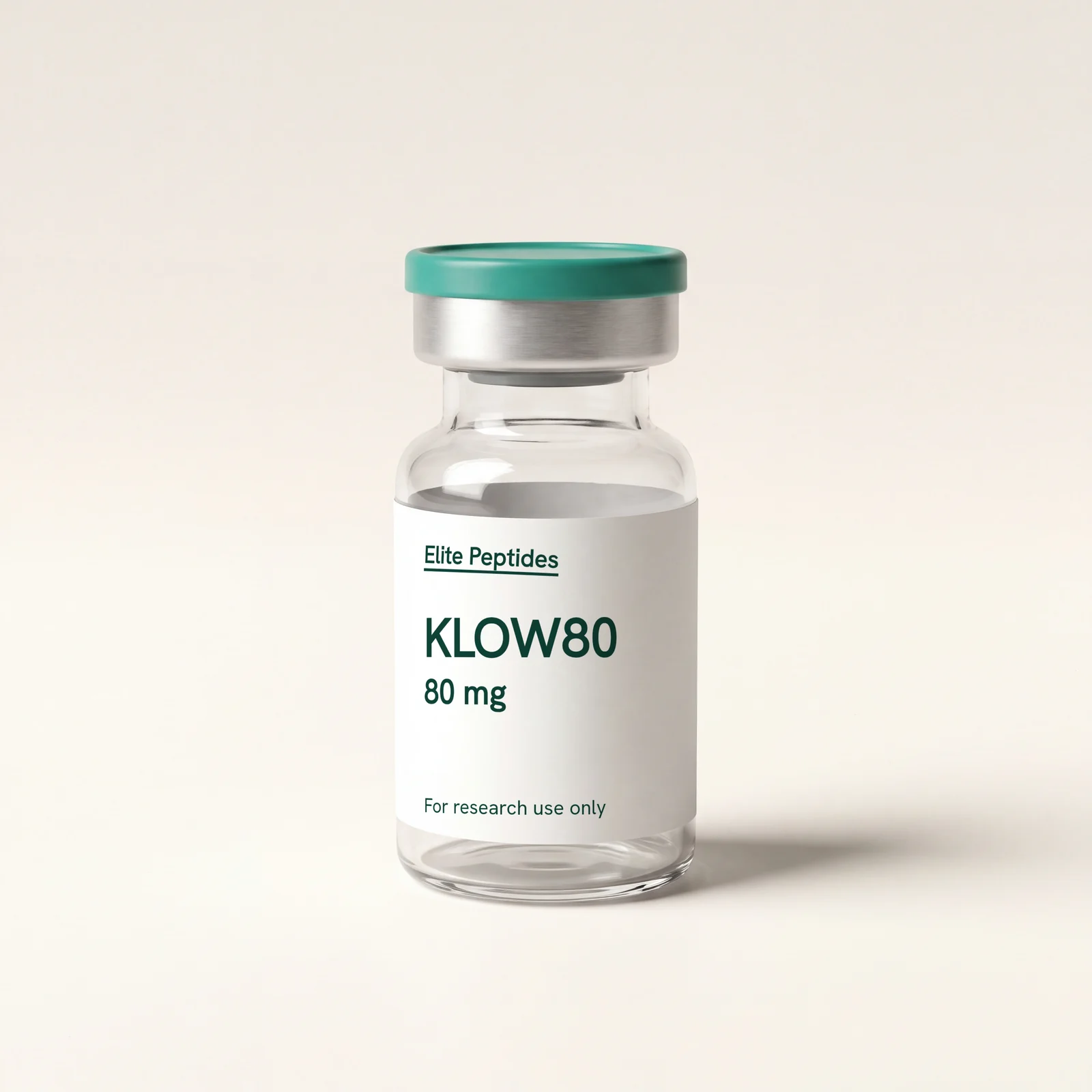
Reconstitute the lyophilised KLOW80 vial with bacteriostatic water for laboratory handling. Add the diluent slowly down the vial wall and swirl gently — do not shake. The copper-peptide component (GHK-Cu) gives the reconstituted solution a characteristic blue colour, which is expected and a useful batch-consistency marker. Choose a reconstitution volume that suits the per-component concentrations your protocol requires.
One volume, four concentrations. Because the four peptides are co-lyophilised at different masses, a single reconstitution volume produces a different concentration for each. Adding 2 mL of bacteriostatic water to the vial gives BPC-157 at 5 mg/mL, GHK-Cu at 25 mg/mL, TB-500 at 5 mg/mL and KPV at 5 mg/mL; 4 mL halves all four, to 2.5, 12.5, 2.5 and 2.5 mg/mL respectively. There is no volume that makes the components equal — the 50 mg of GHK-Cu is always five times the mass of each of the others, which is the property to work from rather than around.
Store the lyophilised powder at −20°C, desiccated and protected from light; once reconstituted, store refrigerated at 2–8°C and use within the documented research window, or aliquot and freeze to avoid repeated freeze-thaw cycles. Aliquoting is worth more on a blend than on a single compound, because a freeze-thaw cycle is applied to all four peptides at once. Tamper-evident packaging; the batch label is the canonical reference for the certificates of analysis published in the lab-reports library.
Australia only. Free shipping over $100. Orders placed before 12pm AEST are dispatched the same business day from Australia.
30-day returns on unused product in original packaging, with prior approval.
- What is in the KLOW80 stack?
- KLOW80 is a multi-component research blend co-lyophilised in a single vial — BPC-157, GHK-Cu, TB-500 and KPV. Each component is independently HPLC-content-tested by Janoshik; the certificate reports per-peptide content rather than a single combined purity figure.
- How is KLOW80 different from GLOW70?
- KLOW80 extends the GLOW70 healing trio (BPC-157, GHK-Cu, TB-500) with a fourth component — the melanocortin-derived tripeptide KPV. GLOW70 is the three-peptide blend; KLOW80 is the four-peptide blend.
- Is KLOW80 a therapeutic good?
- No. KLOW80 is supplied strictly for in-vitro and laboratory research use only — not a therapeutic good, not TGA-approved, not for human or animal consumption. No medical or human-use claim is made about the blend or any component.
- Is KLOW80 the same as the Wolverine stack?
- Not quite. The Wolverine stack is the BPC-157 + TB-500 pairing, and it is stocked here as its own two-peptide vial. KLOW80 extends that pairing with GHK-Cu and KPV, co-lyophilised into a single 80mg-class vial — so klow is the four-peptide version of the same soft-tissue research pairing, not another name for it.
- How much bacteriostatic water does a KLOW80 vial need?
- That depends on the per-component concentrations your protocol calls for, because the four peptides sit at different masses in one vial. Adding 2mL of bacteriostatic water gives BPC-157 at 5mg/mL, GHK-Cu at 25mg/mL, TB-500 at 5mg/mL and KPV at 5mg/mL; 4mL halves all four. The reconstituted solution runs blue from the copper in the GHK-Cu, which is expected.
- Is this product third-party tested?
- Yes. Every batch is independently HPLC-tested by Janoshik, and the certificate of analysis is published on the lab-reports page.
- How should it be stored?
- Store the lyophilised powder at −20°C. Once reconstituted, keep it refrigerated at 2–8°C and use within the documented research window.
- How is it shipped?
- Dispatched AU-domestic from Australia. Free shipping over $100; orders placed before 12pm AEST are dispatched the same business day.
- What does 'research use only' mean?
- All products are supplied for in-vitro / laboratory research use only. They are not for human or animal consumption, are not therapeutic goods, and are not TGA-approved.
[ Further reading ]
KLOW80 in Australia: a four-peptide healing-blend research guideWhat KLOW80 is — a co-lyophilised research blend of BPC-157, GHK-Cu, TB-500 and KPV that extends the GLOW-family trio with an anti-inflammatory tripeptide — what each component brings, and how per-component content is HPLC-verified. A laboratory research reference for Australian researchers.
[ Certificate of analysis ]
Independently verified
Certificate of Analysis
- Lab
- Janoshik
- Batch / lot
- KLO800914
- Tested
- 24 Sep 2025
- Purity
- ≥ 99%
— Independently HPLC-tested by Janoshik. Open the certificate to verify batch KLO800914 for yourself.
Janoshik · HPLC
≥ 99%
brand standard · independently verified
[ Customer reviews ]
What researchers say about KLOW80
5.0
Average rating 5 out of 5, from 1 review
- 5 star
- 1
- 4 star
- 0
- 3 star
- 0
- 2 star
- 0
- 1 star
- 0
- Shipping speed
- 4.0/5
- Would recommend
- 100%
[ Stacked with ]
Part of a stack
[ Related products ]
Related research peptides


Compare this against every other vial on the peptide prices page, browse stacks & blends, or see all 23 research peptides.
Elite AU Peptides supplies research peptides and related compounds for laboratory and in-vitro research use only. Products are not therapeutic goods, are not TGA-approved, and are not for human or animal consumption. Nothing on this site constitutes medical advice or a therapeutic claim. Purchasers must be 18 years or older and are responsible for complying with all applicable laws in their jurisdiction.