Rated 5 out of 5.Verified purchase
KPV 10mg arrived in two days, everything sealed and accounted for. Asked support a question about storage temps and got a straight answer within the hour. Good service.
Shipping 5/5Would recommend
Free shipping Australia-wide on orders over $100
Free shipping over $100 · same-day dispatch before 12pm AEST · Australia only.
Supplied strictly for in-vitro / laboratory research use only. Not for human or animal consumption. You confirm you are 18+ and purchasing for research purposes.
KPV Australia. KPV is the inflammation peptide of the catalogue. Most of the research sits in the gut, where it reports a more intact intestinal lining and lower inflammatory cytokine levels in colitis and inflammatory bowel models. A second strand covers inflammatory skin conditions and wound healing, and a third covers general immune signalling. It is the component added to KLOW80 on top of the GLOW70 repair trio.
How it does it. KPV is about as small as a peptide gets, just three amino acids clipped from the tail end of α-MSH, one of the body's own signalling hormones. Being that small is the interesting part. It is compact enough to be carried straight inside cells by PepT1, a transporter that normally ferries in food derived peptide fragments. Once inside, it damps down NF-κB, the master switch cells throw to start an inflammatory response.
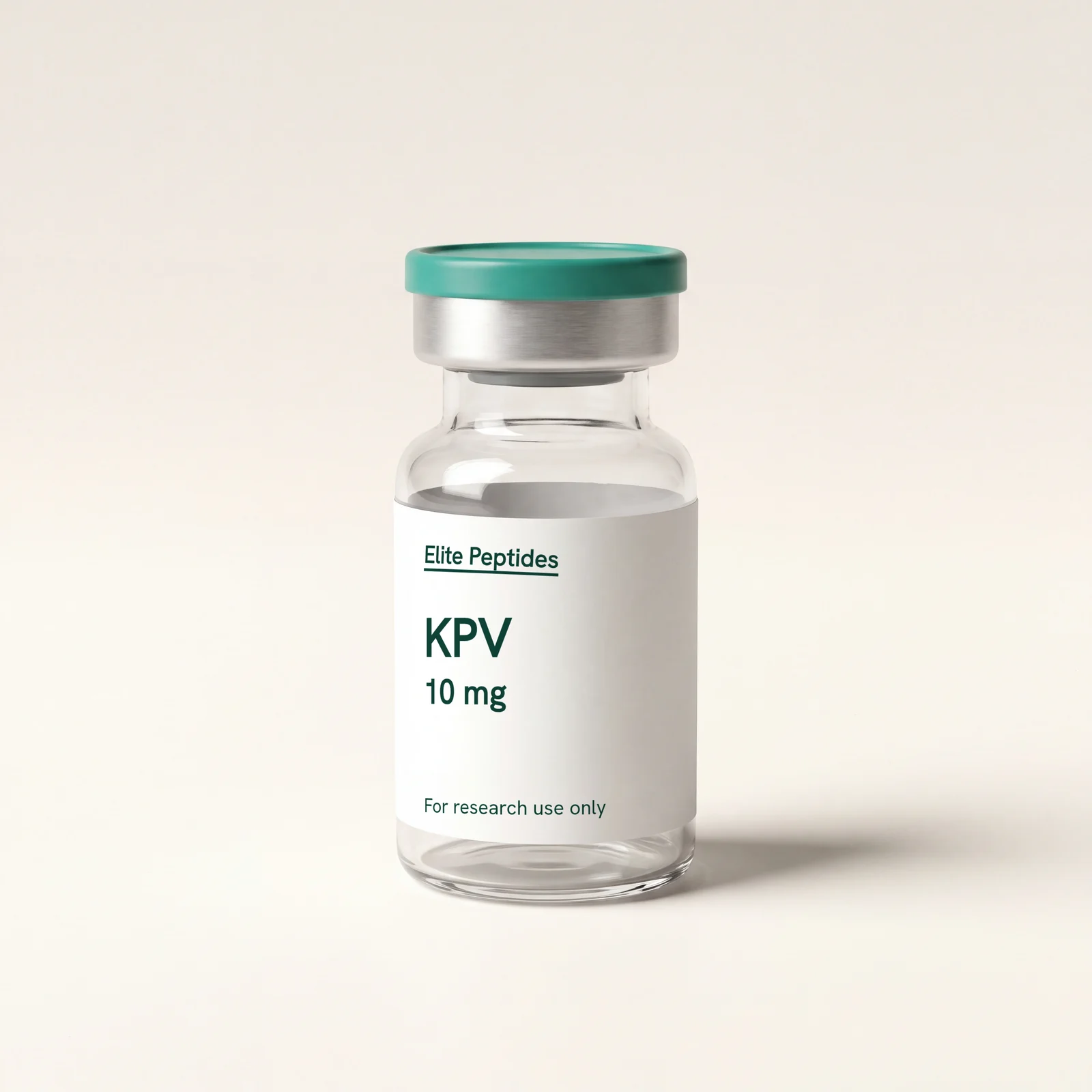
The vial. Independently HPLC-tested by Janoshik, with the certificate of analysis published on this page and in the lab-reports library, carrying the measured number and a verifiable Janoshik key. Supplied in 10 mg freeze-dried vials, dispatched from Australia, AUD pricing. Supplied strictly for in-vitro and laboratory research use only. Not for human or animal consumption, not a therapeutic good, not TGA-approved.
Also listed as kpv peptide. KPV peptide is the same tripeptide as the vial above, lysine, proline and valine, the C-terminal fragment of alpha melanocyte stimulating hormone.
KPV (CAS 67727-97-3; molecular formula C16H30N4O4, average molecular weight ≈ 342 g/mol; sequence Lys-Pro-Val) is a synthetic tripeptide composed of the three C-terminal residues of α-MSH. It is referenced across the inflammation-modulation, gastrointestinal-research and immune-research literature — most frequently cited in the inflammatory-bowel and mucosal-research strands.
Its anti-inflammatory activity in murine inflammatory-bowel-disease models was reported by Kannengiesser and colleagues (Inflammatory Bowel Diseases, 2008), who noted the effect can be independent of the classical melanocortin-receptor pharmacophore. Dalmasso and colleagues (Gastroenterology, 2008) established that KPV enters intestinal epithelial and immune cells via the PepT1 di/tripeptide transporter, where it suppresses NF-κB and pro-inflammatory-cytokine signalling.
The wider biochemistry of α-MSH and its C-terminal tripeptide is surveyed in the review by Brzoska and colleagues (Endocrine Reviews, 2008). These give KPV a well-described identity as a small, transporter-accessible anti-inflammatory research tripeptide.
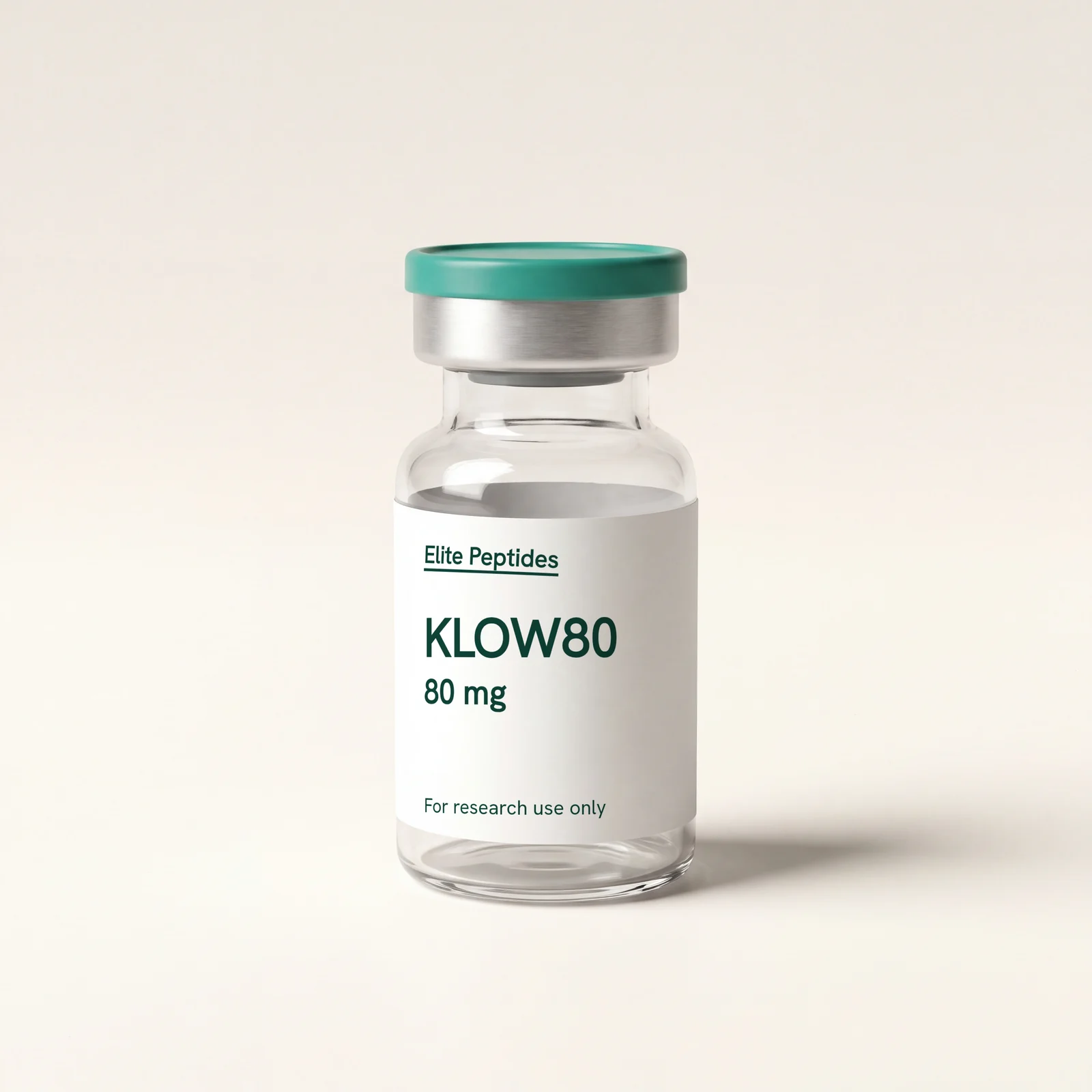
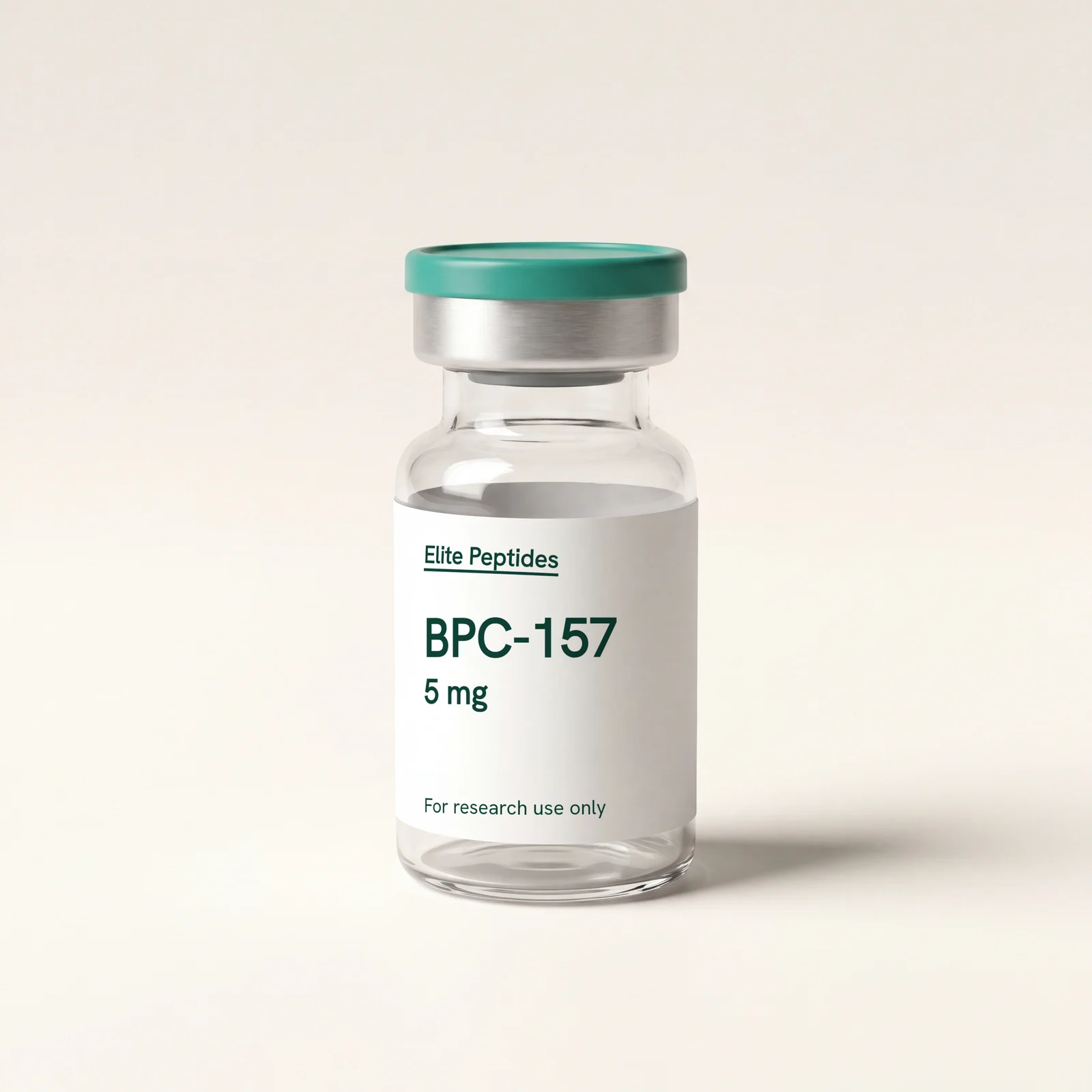
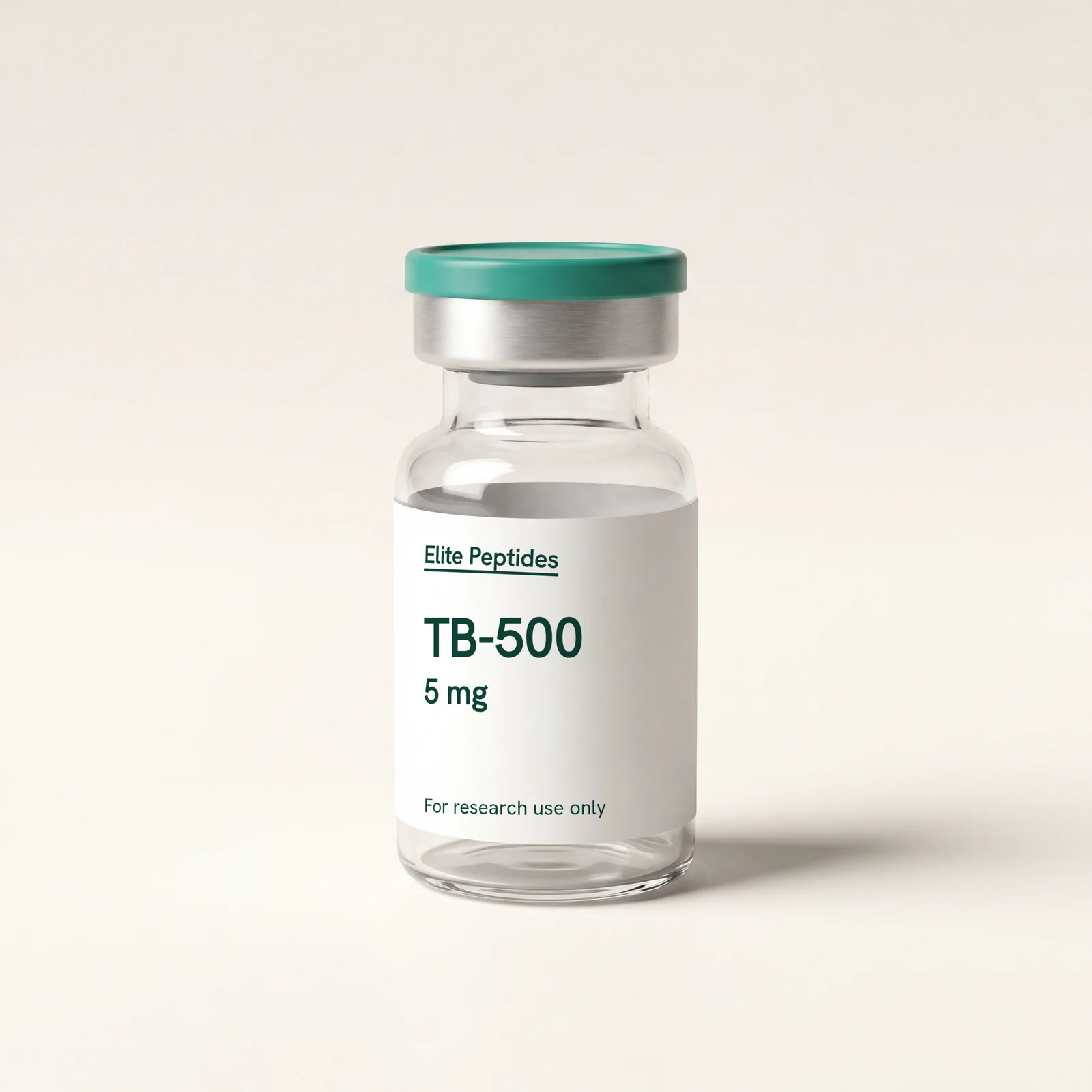
KPV is referenced as one of the better-characterised tripeptide research compounds in the catalogue; researchers often pair it with healing-class compounds such as BPC-157 and TB-500 in multi-compound research protocols, and it is the fourth component of the KLOW80 research blend.
The information provided here is a research-reference summary only. Elite AU Peptides makes no medical, therapeutic, anti-inflammatory, or human-use claim about this product. KPV is not TGA-approved, is not a therapeutic good, and is supplied strictly for in-vitro and laboratory research use only. Researchers should consult the primary peer-reviewed literature for pathway data and protocol-specific reference values.
Reconstitute the lyophilised KPV vial with bacteriostatic water for laboratory handling. Add the diluent slowly down the vial wall and swirl gently rather than shaking. The required volume depends on the protocol’s downstream assay requirements — a 10 mg vial reconstituted in 5 mL of bacteriostatic water yields a 2 mg/mL working stock. Adjust per protocol.
Store the lyophilised powder at −20°C, desiccated and protected from light; once reconstituted, store refrigerated at 2–8°C and use within the documented research window, or aliquot and freeze to avoid repeated freeze-thaw cycles. Tamper-evident packaging; the batch label is the canonical reference for the certificate of analysis published in the lab-reports library.
Australia only. Free shipping over $100. Orders placed before 12pm AEST are dispatched the same business day from Australia.
30-day returns on unused product in original packaging, with prior approval.
[ Further reading ]
KPV in Australia: an anti-inflammatory-pathway research guideWhat KPV is — the α-MSH-derived tripeptide referenced across gastrointestinal and anti-inflammatory-pathway research — how it enters cells via the PepT1 transporter, and how research-grade material is HPLC-verified. A laboratory research reference for Australian researchers.
[ Certificate of analysis ]
— Independently HPLC-tested by Janoshik. Open the certificate to verify batch KP100822 for yourself.
Janoshik · HPLC
99.89%
measured purity · independently verified
[ Customer reviews ]
5.0
Average rating 5 out of 5, from 1 review
KPV 10mg arrived in two days, everything sealed and accounted for. Asked support a question about storage temps and got a straight answer within the hour. Good service.
Compare this against every other vial on the peptide prices page, browse healing & recovery, or see all 23 research peptides.
Elite AU Peptides supplies research peptides and related compounds for laboratory and in-vitro research use only. Products are not therapeutic goods, are not TGA-approved, and are not for human or animal consumption. Nothing on this site constitutes medical advice or a therapeutic claim. Purchasers must be 18 years or older and are responsible for complying with all applicable laws in their jurisdiction.